My Training and Teachers
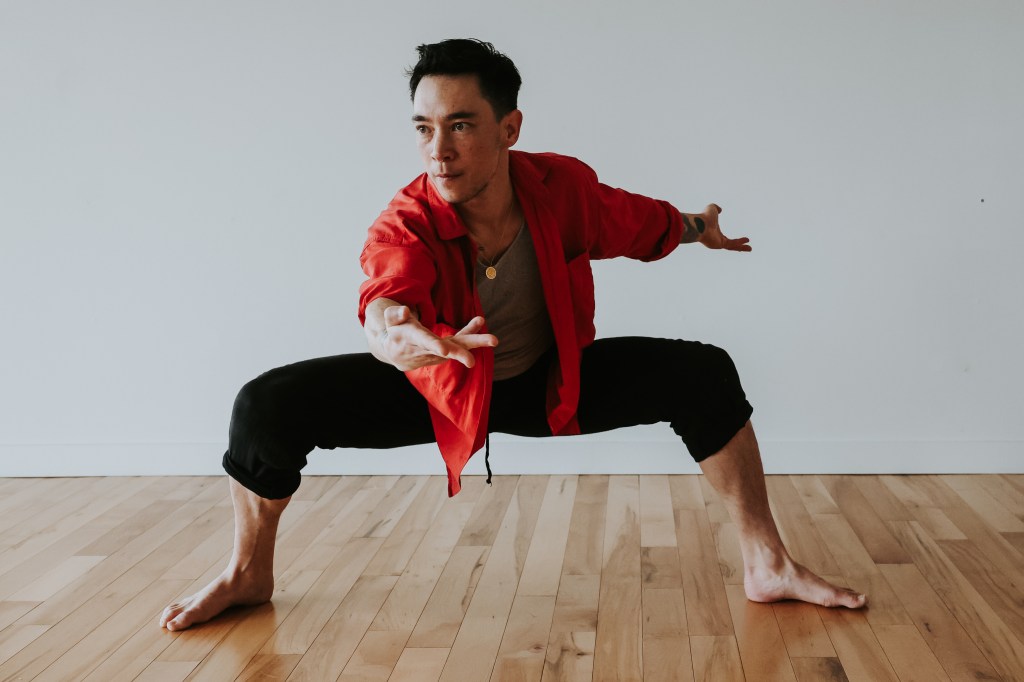
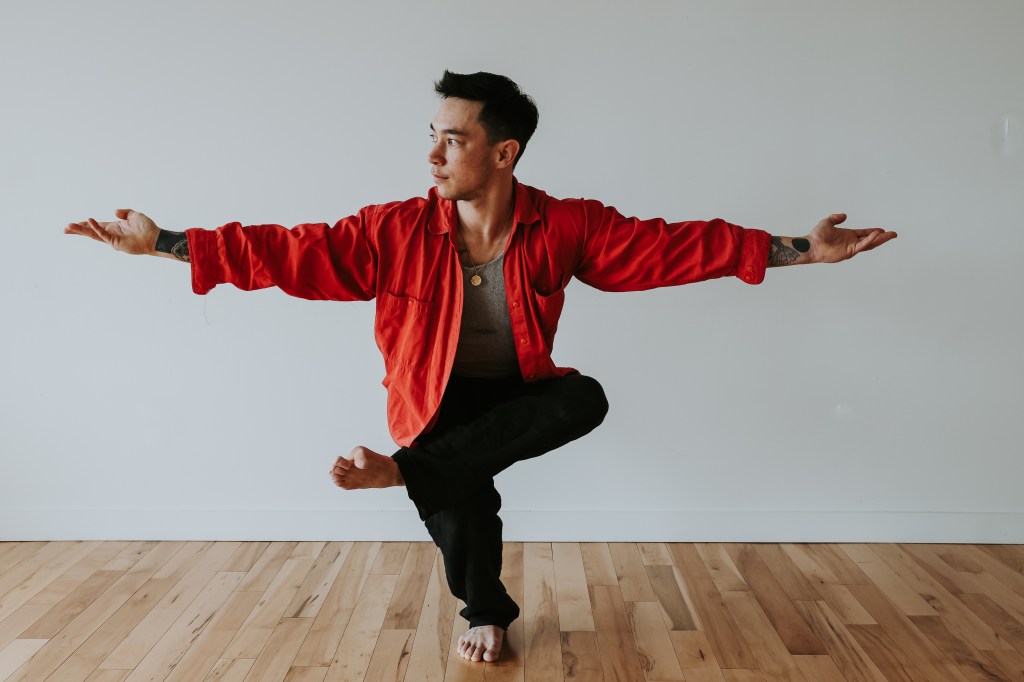
Delta Karate School: When I was 9 years old, I began learning karate at Delta Karate School (DKS) in Delta, BC led by the Ling family under the teachings of the late Sensei David Akutagawa. I recognize how rare of an opportunity it was to attend a martial arts school that still encompasses traditional values from a place of generosity, commitment to lifelong practice, and honour of lineage in a way that also models intergenerational study. DKS was founded by Dr. Chee K. Ling and his daughter Dr. Mee Lain Ling (8-time National Karate Champion). When Dr. Mee Lain moved to China to eventually study Traditional Chinese Medicine, her sister Dr. Rassamee Ling (4-time National Kata Champion) and Rassamee’s husband Dr. Marshall Cheng (five-time national medalist in kumite gold medalist in 1999) began teaching. Almost 30 years later, Sensei Ling, Sensei Rassamee and Sensei Marshall all continue to teach at DKS, along with Sensei Rassamee and Sensei Marshall’s son Matthew. Dr. Mee Lain Ling continues to practice Iaido with her dad. I continue to stay in touch and periodically visit and train at the dojo for fun and to express my gratitude for all they have taught me in regards to movement training, performing provincially, nationally and internationally, and also about how to move with integrity to my values with responsibility to my communities. Many of the principles to learn karate techniques like how to strike (jo-ha-kyu), how to see with my eyes (enzan no metsuke), how to reflect and build intentionality to act responsively in time (go no sen, tai no sen, sen no sen), and general lessons on moving through physical conflict have become foundational in how I continue to interpret life, movement and create artistically.
Sota Yuyama: Sota was a peer of mine at DKS who was like an older brother to me. Though we received our first black belts at the same time, Sota met Sensei Kenji Ushiro and went on to open his own karate school in Vancouver. After Sota introduced me to Sensei Kenji Ushiro, who teaches predominantly in Japan, my understanding of movement transformed. For a large portion of my 20’s, I attended Sota’s classes to learn from his interpretation of Sensei Ushiro’s Soshinkan teachings of karate and ki , and also to validate the effectiveness of the internal essence of my karate practice. He challenged me to confront my ego and instincts to fight with intention, rather than for competition and righteousness. Sota continues to teach, branching away from Soshinkan and teaching Shindo Ryu grounded in values of honesty, community and welcoming people where are at with integrity.
Tasha Louie: Tasha Louie is a strength and flexibility trainer who has been a mentor for almost four years. Beyond physical “exercise” support, her understanding and experience moving through major injuries has been a vital support while I was learning to adapt to a cervical spinal injury in 2024 and 2025, and which I continue to refine how I am able to adapt to today. Tasha supports my creative practice, offering feedback and encouragement to continue moving and creating through movement in ways that do not aggravate my injury so I may also learn from it expansively. She has guided me toward accesing new levels of body awareness, strength and creative shapes through nervous system training and recognition of the bio-psycho-social model in regards to pain. I continue to learn from Tasha as her mentorship offers guidance and groundedness to my personal practice.
Karen Fabara: Karen Fabara is a pole artist and teacher formerly based in Vancouver and now based in London, UK. She specializes in pole acrobatics and hand balancing. When I started pole in 2022, she was my first teacher and encouraged me to apply my strength and body awareness to develop more in-air body awareness. Karen worked with me regularly one-on-one to teach me the principles of back flips, as well as advanced skills like handsprings and fonji on pole. Karen supported my choreography development with feedback on how to access the transitions for challenging tricks such as flags, and create greater speed in my spins. She also encouraged me to trust in my ability to train at greater capacities, helping me prepare for former Cirque Du Soileil soloist Dimitry Politov’s 10-Day pole training residency in Türkiye (2024). Karen has been a creative mentor, supporting my performances including during the filming of Injury(2025).
carla bergman: I met carla in 2012 at the youth-run arts and activist centre in Vancouver called the Purple Thistle. carla trusted me to engage in the space with growing responsibility, creative experimentation and community organizing. They later invited me to collaborate with them as an arts organizer and eventually as a writer. carla has supported my writing practice, inviting me to contribute to their book publications Joyful Miltancy and Radiant Voices, and encouraged me to continue writing while in the depths of my spinal injury pain in 2024 and 2025. carla has been a longstanding mentor in my life who has taught me about trust, healing, experimentation, and letting go. She encourages my creative and political visions and continues to work with me on specific projects both as a mentor and as a collaborator.
Acknowledgements & Protocol:
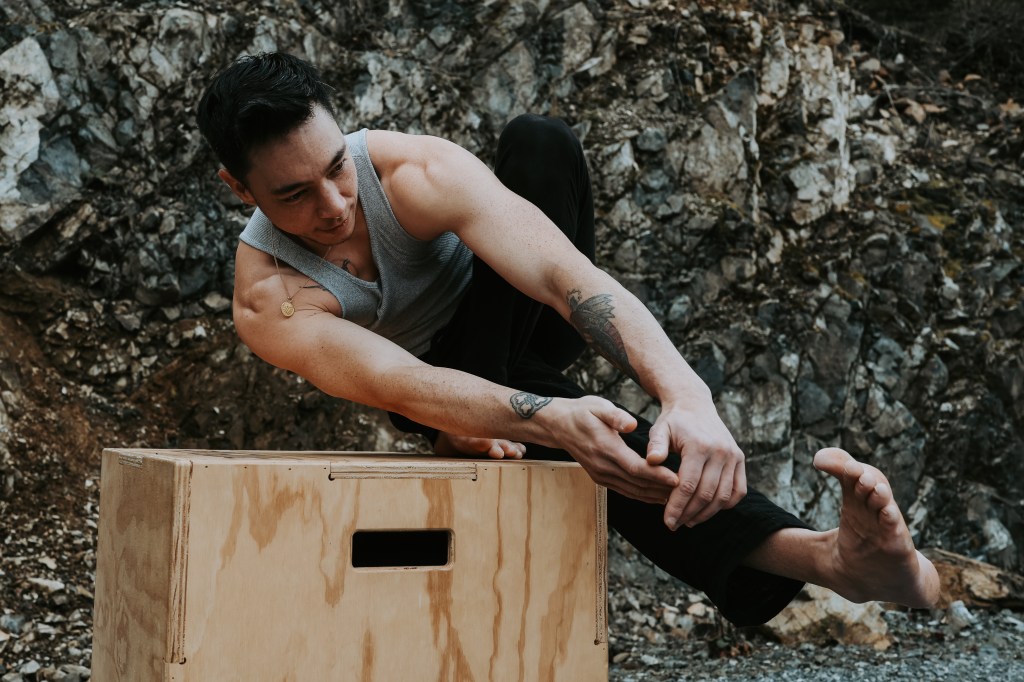
I recognize I have been blessed to have crossed paths with amazing teachers who are each dedicated in their arts practices and principled in their values of integrity, humility and honour of and within the greater communities they are part of. The way that I move creatively, in my body and also in my words and community actions are very much shaped by my teachers. Though I have dedicatedly practiced to interpret their teachings, I can see each of them in the ways I embody movement.
When I was very young, perhaps 10 years old, Sensei Rassamee began asking me to lead in class warm ups. Because I was very shy, I did so with a lot of hesitation. By 14 years old, Sensei Rassamee and Sensei Ling asked me run the youth summer classes and teach them on my own. Sensei Rassamee was very direct to say that as I was gaining skills, competing and training nationally and internationally, it was also my responsibility to share what I was learning with others in our dojo. It was then that I began to understand that my skills are not “mine”, and they are not to be hoarded – whether intentionally or unintentionally. Skills are to be shared as they have been shared with me. “My” skills come from the generosity and time dedicated by others. They are part of a long lineage, and I continue to learn how it is my responsibility to continue sharing in that lineage.
In the case of karate, some of these lineages date back hundreds of years. In the case of one kata I still practice today, this lineage dates back over 600 years to Okinawa, Japan and originating from my mother’s ancestral home province, Fujian, China. This kata, Sanchin, meaning “3 Battles” and referring to the battles to unite mind, body and spirit, comes from Fujian White Crane, a martial arts style founded by Fang Qiniang, the daughter and student of Shaolin disciple Fang Zhengdong during the Ming Dynasty. To me, it is an incredible honour to practice and learn from this form which has passed through and transformed 25 generations of dedicated martial artists so we, as this generation’s martial artists, can learn from and interpret to also share to the next generations. To be part of this lineage of martial artists and teachers has taught me that my skills, experience and knowledge are gifts that others have shared with me. My teachers taught me there is no value in these gifts if they are hoarded. They must be shared, and it is my responsibility to share them. And so, from a young age, I understood to be granted responsibility is a reflection of the gifts I have been offered. I learn to see responsibilities not as work to feel averse to, but as gifts to I feel blessed with; to accept them graciously as demonstration of my gratitude toward this ancestral lineage I feel committed to continuing and honoured to be part of through my arts and teaching practices.
For all of these reasons, I value protocol in the arts as an integral part of my practice, to uphold and respect where I come from and who I reflect, and who I am accountable to – teachers, peers and students alike.
Thank you to every person and being who has gifted me with their time.